
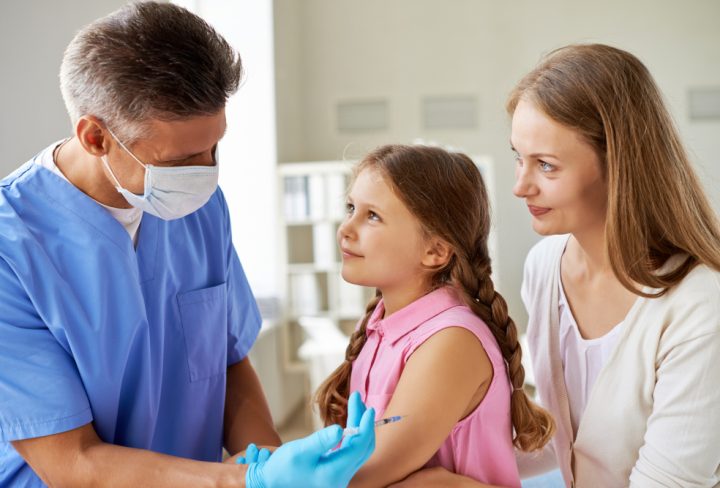
What Are Vaccines?
Vaccines are special medicines that help protect children from dangerous diseases. They work by teaching the body how to fight off germs. Because of vaccines, many serious illnesses are now rare. For example, polio and measles used to be common, but now they are mostly gone in many places. This is one reason why vaccines matter for kids.
How Vaccines Protect Children
Vaccines help a child’s immune system get ready to fight diseases. When a child gets a vaccine, their body learns to recognize and stop harmful germs. As a result, if the child is exposed to the real disease later, their body can fight it off quickly. This means fewer sick days and less risk of serious problems. In addition, vaccines help keep children healthy so they can play, learn, and grow.
Common Diseases Prevented by Vaccines
Many dangerous diseases can be stopped with vaccines. Some of the most important preventable diseases in children include:
Because of childhood immunization benefits, these diseases are now much less common. However, if children are not vaccinated, these illnesses can return.
Safety and Effectiveness of Childhood Vaccines
Many parents wonder about vaccine safety for kids. Vaccines are tested carefully before they are given to children. Health experts from the CDC and WHO check vaccines for safety and effectiveness. Most side effects are mild, like a sore arm or a low fever. Serious side effects are very rare. Because vaccines work so well, millions of children avoid dangerous diseases every year.
Myths and Facts About Vaccines
Sometimes, people hear things about vaccines that are not true. Let’s look at some common myths and the real facts:
For more information, you can visit trusted sources like the CDC or WHO.
How to Keep Your Child’s Vaccinations Up to Date
It is important to follow the recommended vaccine schedule. This helps protect your child at the right ages. Here’s how you can keep track:
If you miss a vaccine, talk to your doctor about catching up. Staying on schedule gives your child the best protection.
The Role of Vaccines in Community Health
Vaccines do more than protect one child. When many children are vaccinated, diseases cannot spread easily. This is called herd immunity. Because of herd immunity, even babies or people who cannot get vaccines are safer. In other words, vaccines help protect the whole community. This is why it is important for everyone to keep up with childhood immunizations.
Tips for Parents on Vaccination Visits
Going to the doctor for vaccines can feel stressful. However, there are ways to make it easier:
Most children feel better soon after the visit. If you notice any unusual symptoms, call your doctor right away.
Conclusion
In summary, vaccines are a safe and powerful way to protect children from serious diseases. Because of childhood immunization benefits, kids can stay healthy and strong. Consult your pediatrician to ensure your child’s vaccines are up to date.