
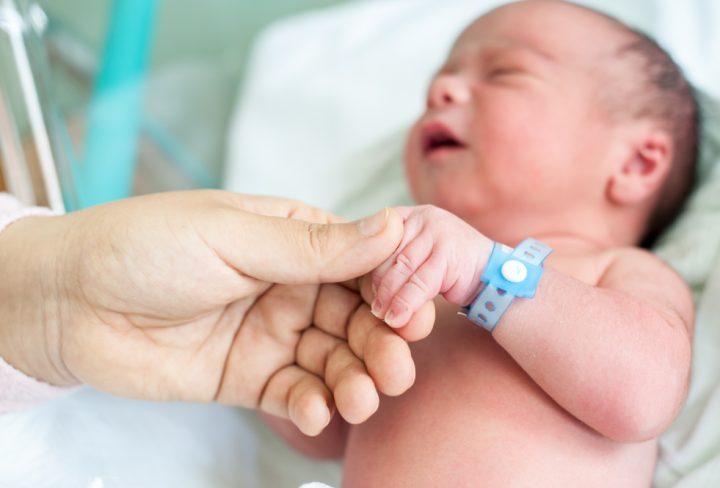
What Is Newborn Screening?
Newborn screening is a simple test done soon after birth. It checks for certain rare but serious health problems in babies. Because these conditions may not show signs at first, screening helps find them early. This process is a key part of pediatric health screening. In many countries, newborn screening is routine and helps protect your baby’s health from the start.
Why Is Newborn Screening Essential?
Newborn screening is essential because it can save lives. Early detection in infants allows doctors to treat problems before they become serious. Without screening, some babies might not get help until it is too late. For example, some health issues can cause brain damage or even death if not found early. Therefore, newborn screening gives every baby a better chance for a healthy life.
Key Conditions Detected by Newborn Screening
Newborn screening checks for many conditions. Some of the most common include:
Because these conditions are rare, most babies will not have them. However, finding them early makes a big difference.
How the Screening Process Works
The screening process is quick and safe. Usually, it happens within the first few days after birth. Here is how it works:
Most babies do not need more tests. But if needed, doctors will guide you on the next steps.
Benefits of Early Detection
Early detection in infants offers many benefits. For instance, it can:
Additionally, early care means your child can live a fuller, healthier life. Because of newborn screening, many children avoid long-term health issues.
Frequently Asked Questions
Reliable Sources and Further Reading
For more information about newborn screening and your baby’s health, consult your pediatrician. Early action can make a big difference in your child’s future.