
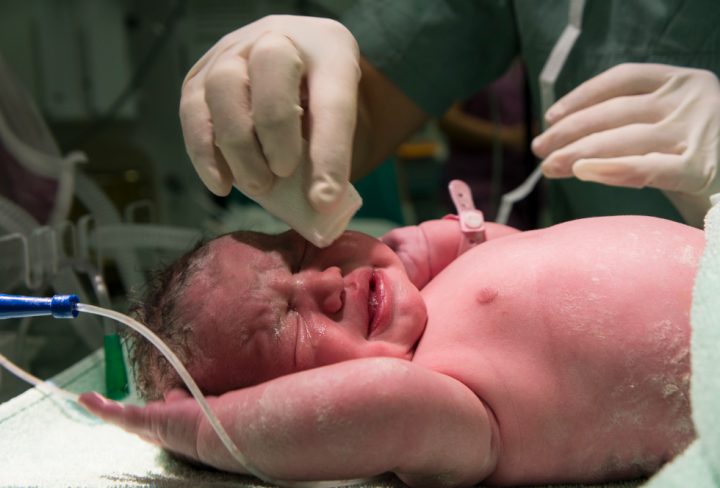
What Is Newborn Screening?
Newborn screening is a simple test done soon after birth. It checks for certain health problems in babies. Early detection in infants can help doctors find and treat issues before symptoms appear. Because of newborn screening, many children can get the care they need right away. In most places, this test is routine and recommended by health experts, including the CDC and WHO.
Why Early Detection Matters for Child Health
Early detection saves lives. When doctors find health problems early, babies can get treatment before they get sick. For example, some conditions can cause serious harm if not treated quickly. However, with newborn screening, many of these issues are found before symptoms start. As a result, children can grow up healthier and avoid long-term problems.
Common Conditions Detected by Newborn Screening
Newborn screening tests can find many rare but serious conditions. Although each country may test for different issues, some common ones include:
Because symptoms may not show right away, screening helps catch these problems early. This way, treatment can begin before any damage occurs.
How Newborn Screening Is Performed
Newborn screening is quick and safe. Soon after birth, a nurse or doctor will take a few drops of blood from your baby’s heel. This is called a heel prick. The blood goes to a lab for testing. In addition, some hospitals also check your baby’s hearing and heart. These extra tests are painless and take only a few minutes.
Most babies are screened within the first 24 to 48 hours after birth. As a result, families get answers quickly.
What to Expect After Screening
After screening, most families hear back within a few days. Usually, results are normal and no further action is needed. However, if a test shows a possible problem, the doctor will contact you. Sometimes, more tests are needed to confirm the result. Even if your baby seems healthy, follow-up is important. Early steps can make a big difference for your child’s health.
Benefits and Limitations of Newborn Screening
Newborn screening has many benefits. For instance, it can find problems before symptoms start. This allows for early treatment and better outcomes. In many cases, early care can prevent disability or even death. However, there are some limits. Not all conditions are included in every screening panel. Also, sometimes tests may give false alarms or miss a problem. Even so, health experts agree that the benefits far outweigh the risks.
Frequently Asked Questions About Newborn Screening
Is newborn screening safe? Yes, it is safe and causes only brief discomfort. The heel prick may make your baby cry for a moment, but there are no lasting effects.
Do all babies need newborn screening? Yes, most countries recommend newborn screening for every baby. This helps protect all children, even if they seem healthy at birth.
What happens if a problem is found? If a test finds a possible issue, your doctor will explain what to do next. Often, more tests are needed to confirm the result. Early treatment can help your baby stay healthy.
Can parents refuse newborn screening? In some places, parents can choose not to have the test. However, health experts strongly recommend it for every newborn.
Where can I learn more? Trusted sources like the CDC and WHO offer more details about newborn screening and child health screening. Your healthcare provider can also answer questions about newborn screening tests and early detection in infants.